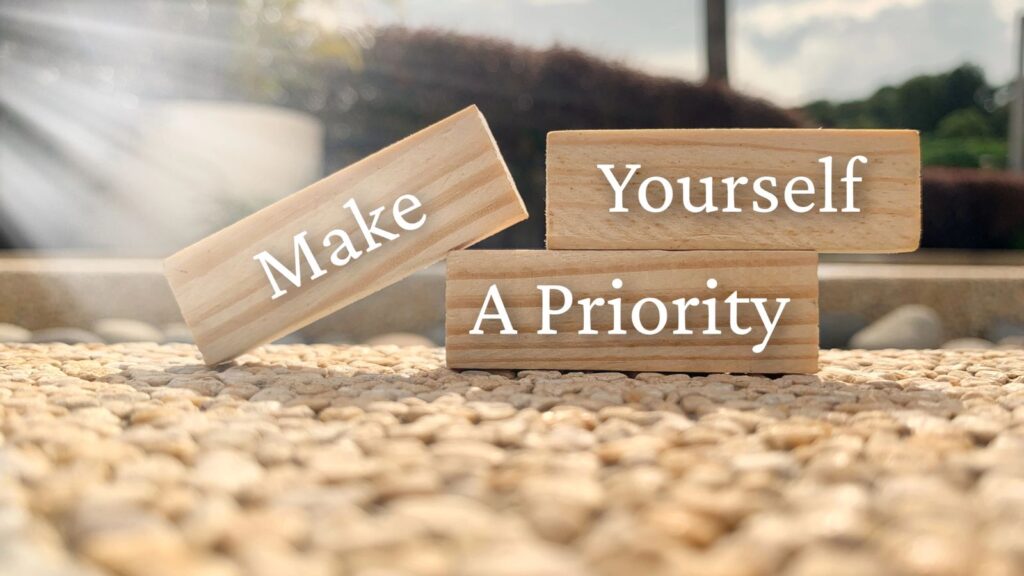
I see a lot of people pleasing tendencies showing up in my practice, and I do not mind sharing that I too am a former people pleaser.
The difficulty is that if we believe our likability and value depend on what we can offer others, we often end up placing their needs and desires before our own.
Over time, putting ourselves second or even further down the list can become a habit we barely notice.
“Sadly, this reinforces the message that we do not matter and that our needs do not matter.”
This can affect our self-worth, health and happiness.
Why do we people please?
We people please for many different reasons including parental conditioning.
Maybe our parents were people pleasers themselves, and we learned by their example.
Or maybe their approval was conditional based on how we behaved, so we learned to suppress our needs.
Some people fear rejection or abandonment if they do not do whatever is asked of them, and others rely on approval or validation from others to feel ok with themselves.
Whatever the reason, people pleasing can lead to resentment, anxiety and burnout.
When people pleasing takes a toll
I often see people who are exhausted from everything they have committed to.
Or who feel taken advantage of. Or who feel uncomfortable with existing relationship dynamics but do not know how to change them. In therapy we explore the origins of any people pleasing tendencies, and one of the things I might ask a client is about their ability to say no.
And I mean a no without a story attached, without listing all the reasons for saying no.
“A no without guilt that they should do whatever is being asked.”
I am interested in their beliefs about saying no and who they might be without them.
The importance of having a “no” ready
One of the reasons for having a no ready is to stop you taking on more than you can manage.
If we operate over capacity for too long, we can become stressed and overwhelmed which can lead to exhaustion and even illness.
Once that happens, we are unable to give to anyone, no matter how much we feel the need to.
Meeting your own needs
Learning how to meet your own needs is not about becoming unkind or less giving.
It is about knowing your limits and offering yourself the same compassion and understanding you offer others.
“When you begin to place yourself front and centre in the line-up of whose needs get met, you can operate from a place of plenty and give wholeheartedly.”
You can choose what you want to say yes or no to with clear boundaries and without operating from fear.
This supports your self-worth and allows relationships to shift into something healthier and more genuine.
A moment to reflect
If any part of this resonates with you, take a little time to reflect on your own ability to say no and where your needs may be sitting too low on the list.
What could you do to change this?
What might be getting in the way?
If you would like to explore this in more detail, please get in touch here.